— THE KARTLI KINGDOM —
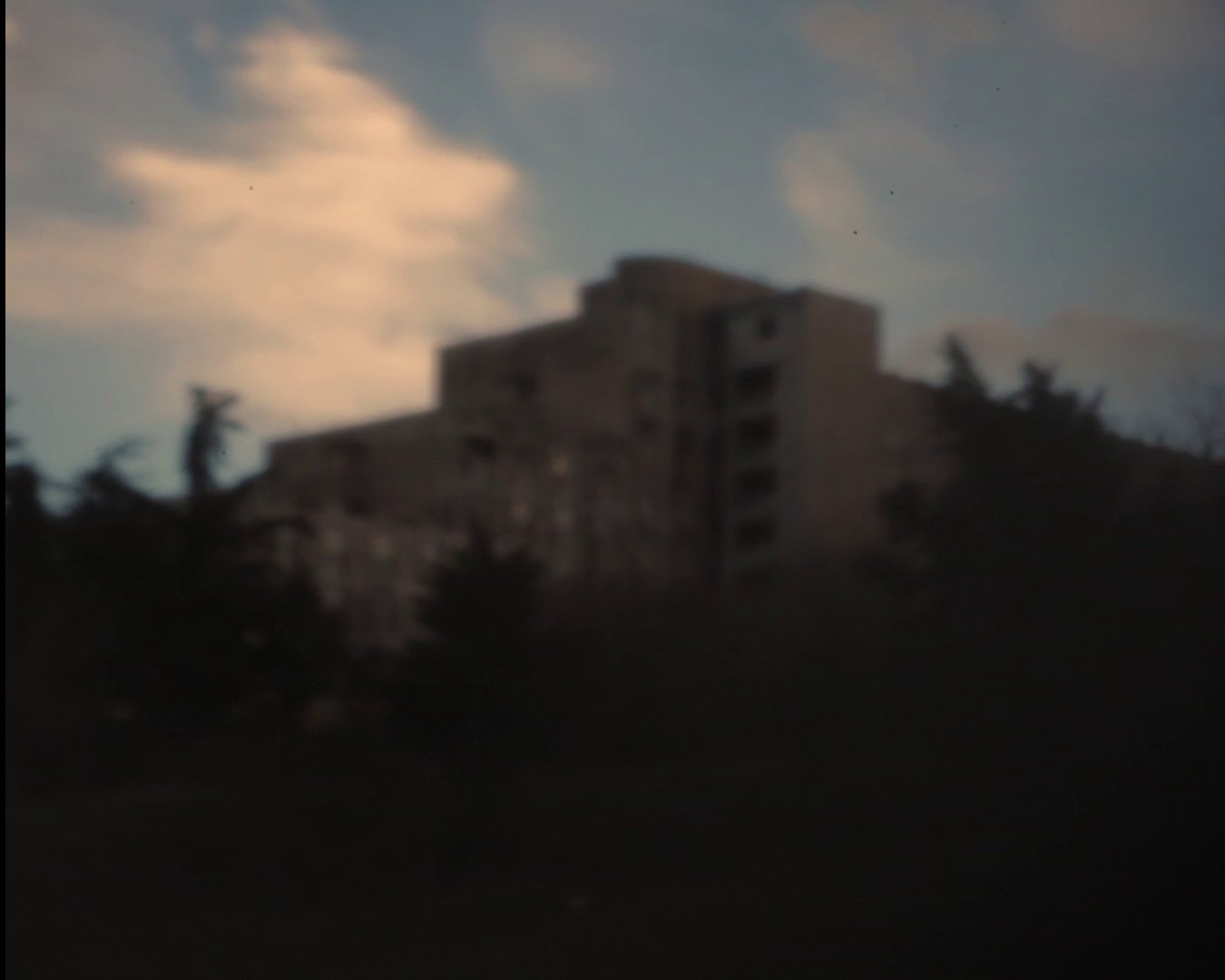
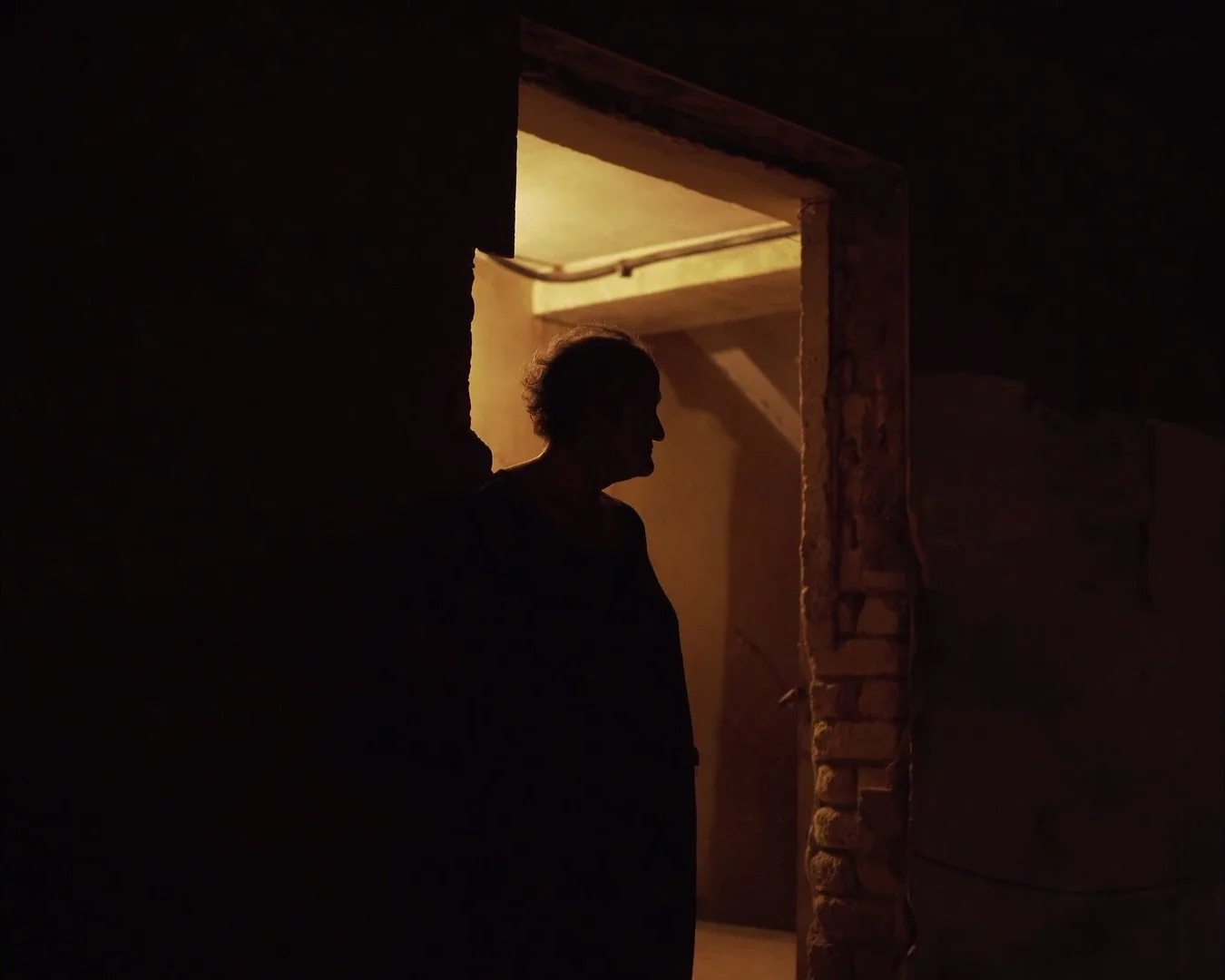
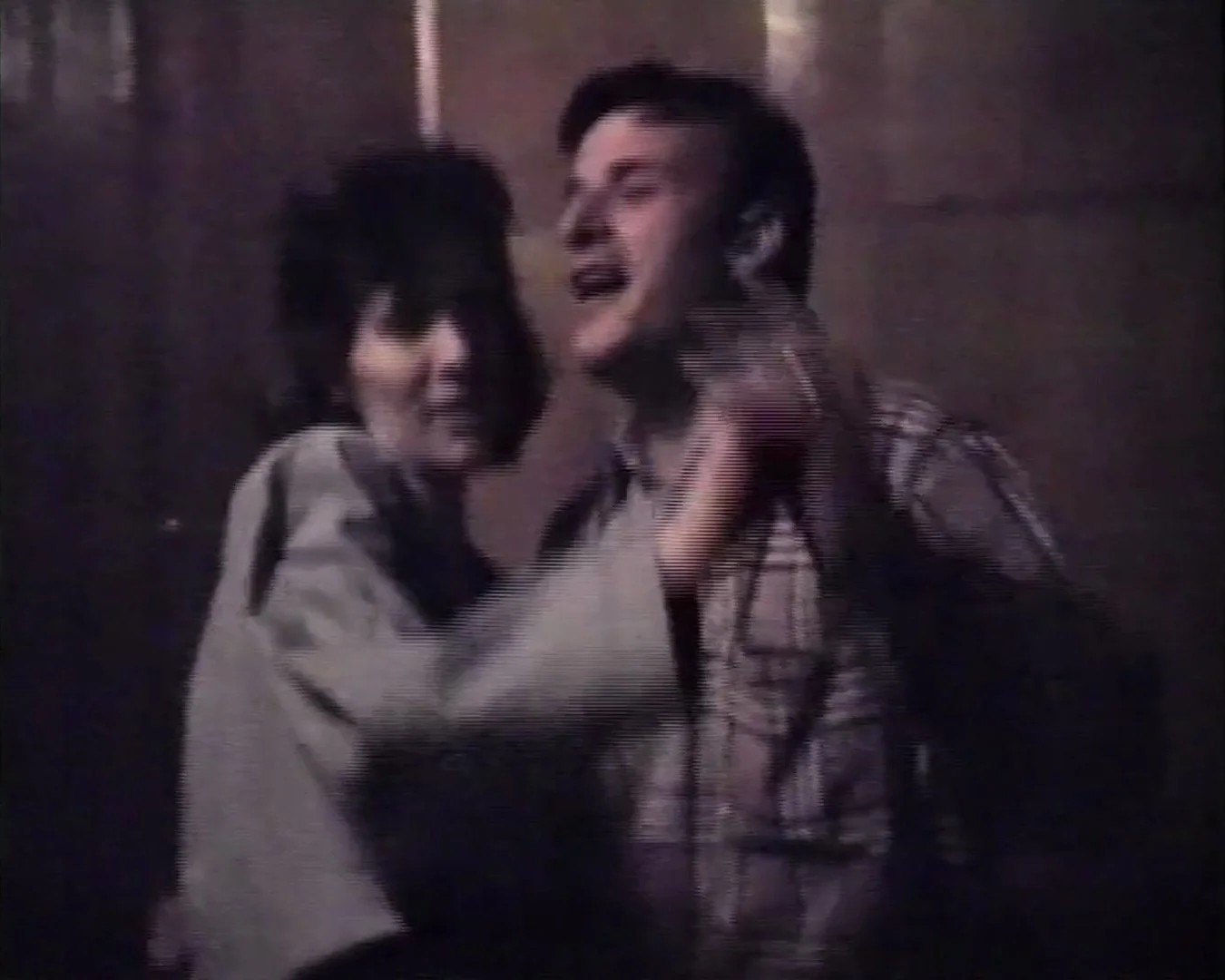
"Kartli" refers both to Georgia’s medieval kingdom and a Tbilisi sanatorium sheltering refugees from the 1990s war in Abkhazia, meant as temporary but lasting 30 years. The crumbling building became a recreated “country”, with a farm, gardens, terraces and rooms where old VHS tapes revive memories of a lost paradise. Through Tamuna, Irma, and others, the film explores exile, trauma, and shared resilience, showing that nothing stays the same inside Kartli.
Directors
Tamar Kalandadze & Julien Pebrel
Producers
Ketevan Kipiani (Sakdoc Film) & Jean-Baptiste Bonnet (Habilis Productions)
Image and Sound
Tamar Kalandadze & Julien Pebrel
Editing
François Sculier, Eka Tsotsoria, Tamar Kalandadze & Julien Pebrel
Sound Editing, Design & Mix
Emmanuel Soland
Composer
Nika Pasuri
With the support of Aide aux Cinémas du Monde. Centre national du cinéma et de l’image animée – Institut français / With the support of CNC – Fonds d’Aide à l’Innovation / With the support of Eurimages / With development, co-development and production from Région Normandie in partnership with the CNC and in association with Normandie Images / With support from “Brouillon d’un rêve” – SCAM, and from “La culture avec la copie privée” initiative / With the participation of Murman Original Pictures
FESTIVALS
IDFA 2025 / International Competition, Best Directing Award - Special mention for the First Feature award
Tbilisi Film Festival 2025 /
Trieste Film Festival 2026 / Osservatorio Balcani and Caucaso Transeuropa Prize
Göteborg Film Festival 2026 /
Kosmorama Trondheim International Film Festival 2026 /
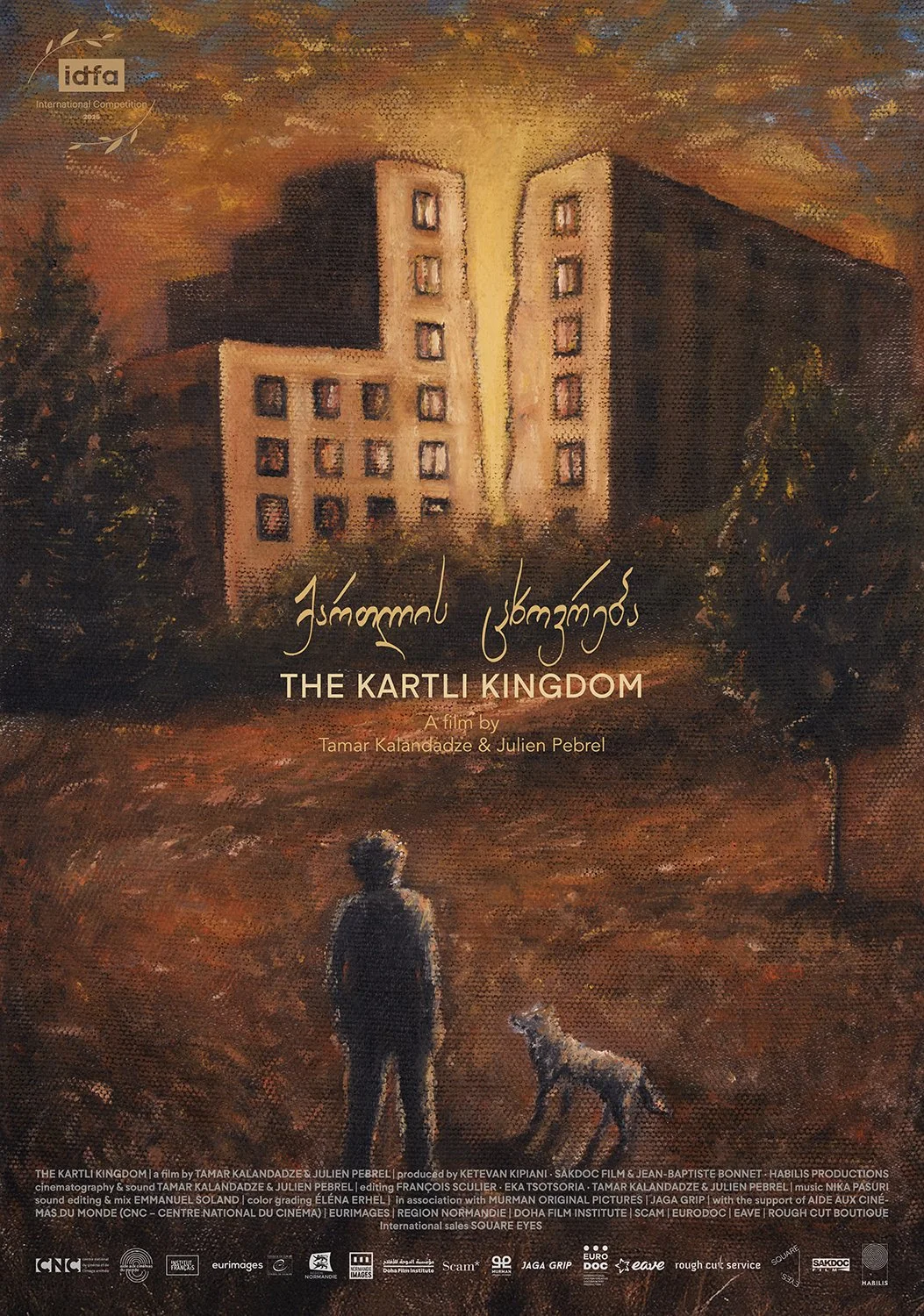
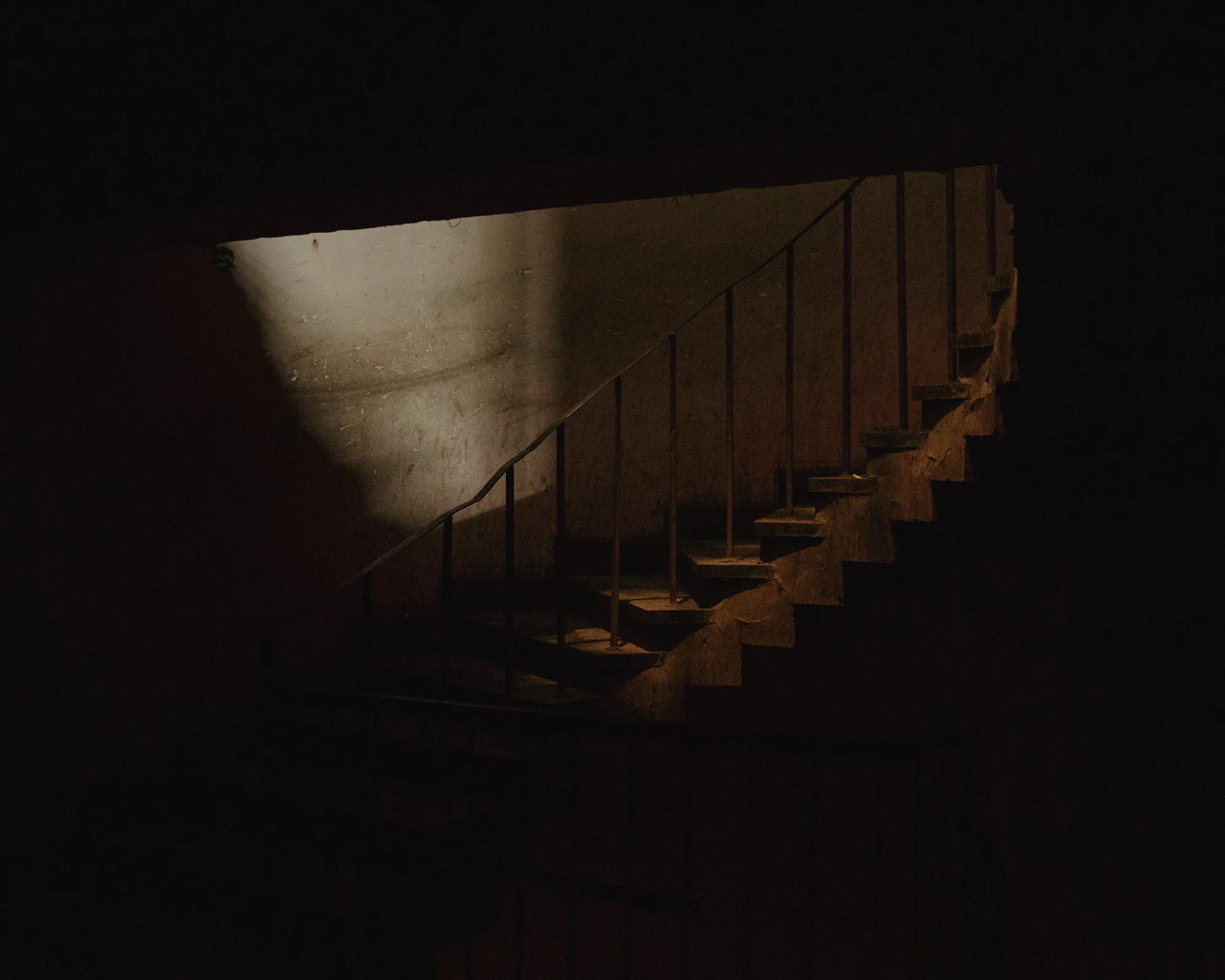
Kartli is the name of the old Kingdom of Georgia, the cradle of the identity of modern Sakartvelo.
It is also the name of a sanatorium in Tbilisi where dozens of Georgian families, refugees from the Abkhazian conflict (1992-93), settled 30 years ago, fleeing the shore of the Black Sea to find refuge, by the irony of fate, on the shore of Tbilisis Zgva, the "Sea of Tbilisi", the artificial lake facing the sanatorium.
Before the independence of Georgia, during the soviet time, this sanatorium used to be a high-quality heart hospital but as it was almost empty during the civil war, the families settled here.
Hundreds of thousands of refugees from Abkhazia did the same and settled in schools, kindergartens, hospitals, hotels and anywhere they found enough space.
30 years after they are still here.

During this period, there was no hope for anybody to be resettled, official procedures seemed impossible to achieve.
But today things have changed, the resettlement has started, very slowly but it has started.
The hope is here for everybody to have one day a decent home. A hope that came from a drama : the suicide of one of Kartli’s inhabitant to protest against government inactivity.
A hope that is also an angst for a lot of them. The angst to leave this building, the place where after the war they found a community, a family, to live the unbearable exil.